Milan Tomášik & Co
PREMIERE: 11 June 2026, Plesni Teater Ljubljana
Concept and choreography: Milan Tomášik
Dramaturgy: Jaka Bombač
Dancers and co-creators: Anamaria Klajnšček, Beno Novak, Luka Ostrež, Kristýna Peldová, Giulia Tornarolli, Patrik Kelemen
Music: Alfonso Peduto (Binary Data)
Sound design: Rok Zalokar
Lighting design: Jaka Šimenc
Costume design: Jasna Vastl
Internship: Amlyana Harding (CNDC, Angers)
Photography: Darja Štravs Tisu
Graphic design: Andreja Jež
Video recording: Hana Vodeb
Production: Flota, zavod, Murska Sobota, Flota Ljubljana
Co-production: Plesni Teater Ljubljana
Residency: D.ID – Choreographic Centre Eisenstadt (Liz King)
Co-organiser: Zavod za kulturo, turizem in šport, Murska Sobota
Supported by the Ministry of Culture of the Republic of Slovenia and the City of Ljubljana
About
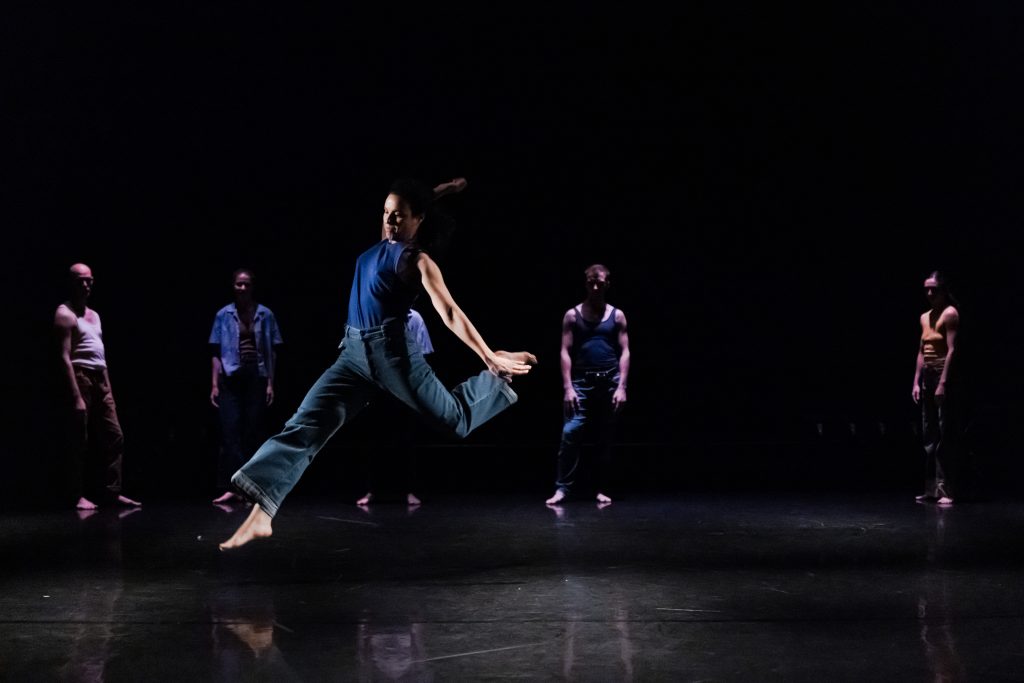
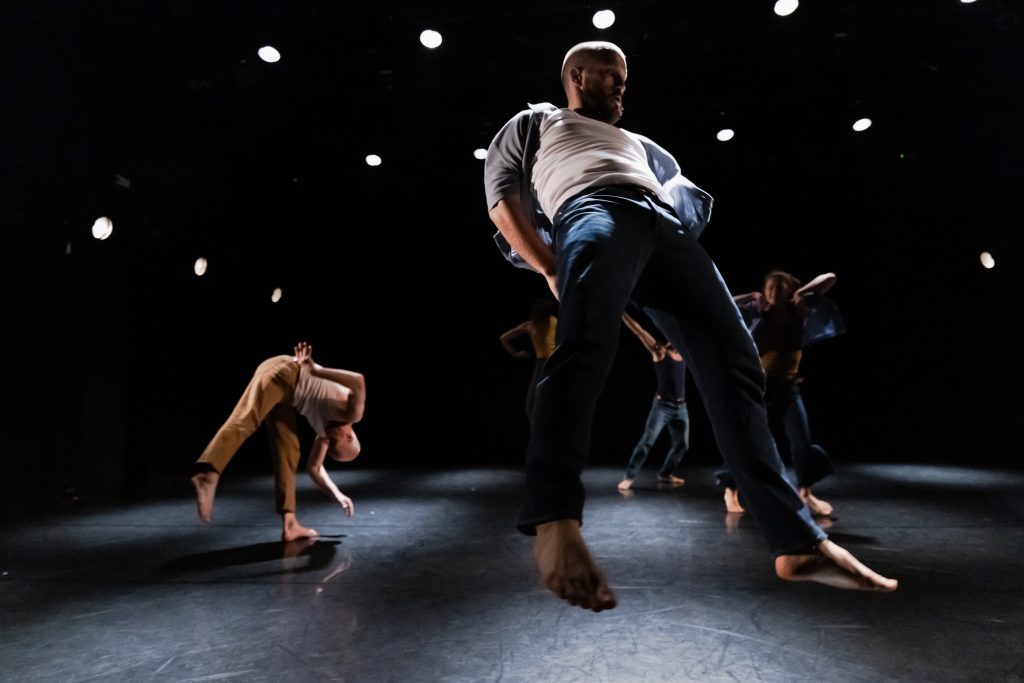
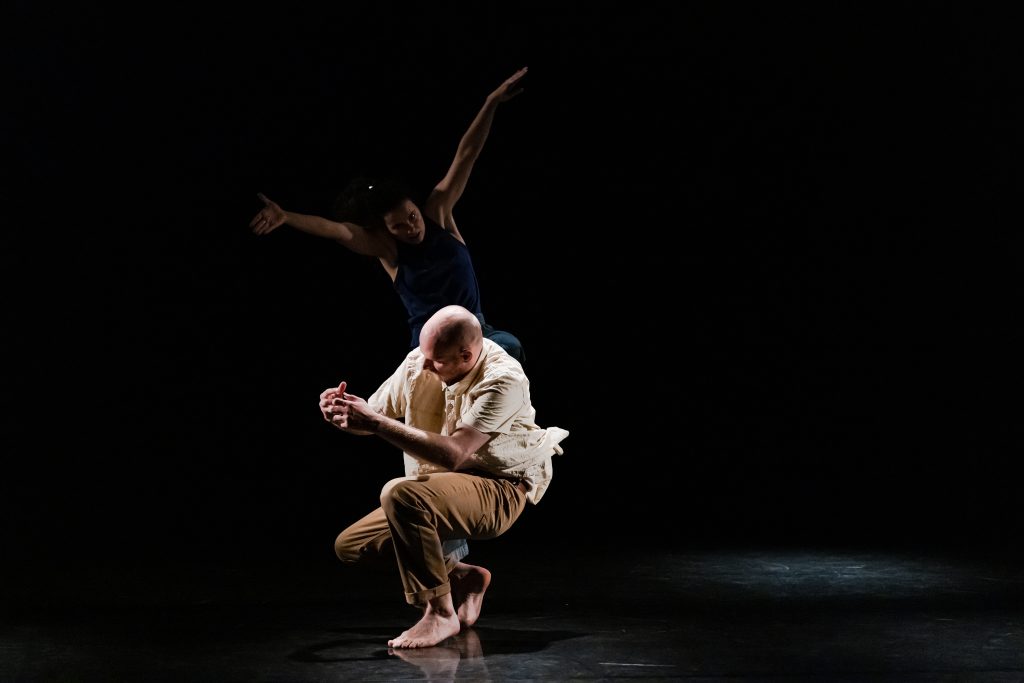
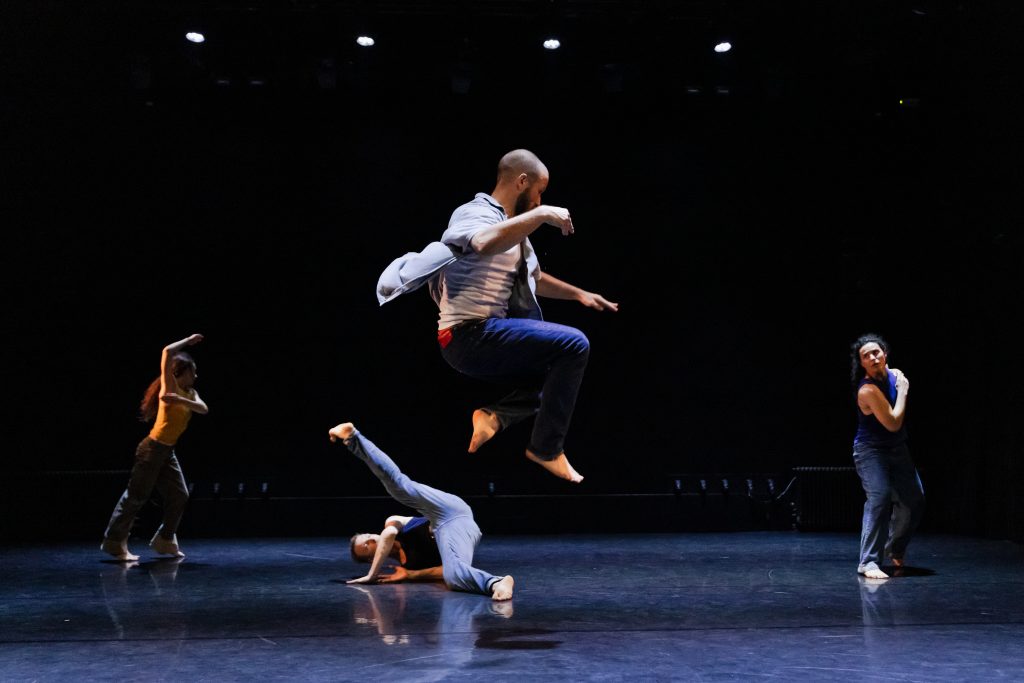
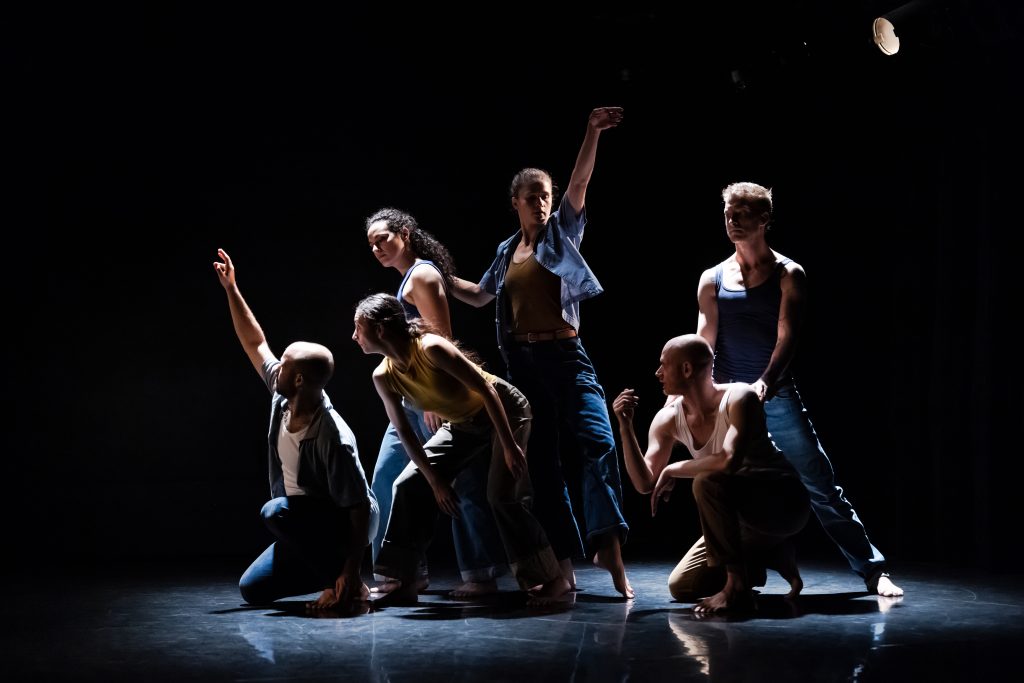
When we enter the theatre, we enter a time with no exit. Within a dynamic resonant system, everything appears predetermined, yet at the edges of the body’s architecture cracks begin to emerge: moments of freedom and human connection. Milan Tomášik’s choreography, in dialogue with Alfonso Peduto’s piano composition Binary Data, affirms solitude as one of the key sources of creative evolution and explores how, within a resonant system, solitude is not a lack but a qualitatively different experience of being. Small affective shifts within the bodies set the whole into motion; barely perceptible slips trigger chains of unpredictable transformations. Sometimes they reveal themselves in an instant, other times we recognize them only in retrospect, once they have irreversibly reshaped our space and our possibilities. Binary Resonance is a collection of micro-revolutions that accumulate, intensify, and ultimately collide in a sudden rupture that places the world in a new perspective. What is the body capable of when it recognizes the forces that shape it and begins to co-create with them?
Trailer
Reviews & Critical Responses
“The high level of commitment from the dancers and the exciting choices made in their physical connections is compelling. While building fleeting scenes of familiar human communication, the persistence and unrelenting drive in the choreography reminded me of the brave spirit of people living in war zones. Binary Resonanceleaves one with stirring images and a true purpose of what dance can manifest as an embodied art form.”
Liz King
“Binary Resonance races through the veins and nourishes us with the salt of bodies that evaporates into the air during a fierce, virtuosic dance. It generously shares its kinesthetic fire in exchange for attention, gratitude, and wonder at the human power which, when unleashed, is not necessarily destructive, but capable of intertwining, harmonizing, and shaping a collective whole. If we allow it, it reverberates through our bones, so that we leave the theatre more alive and more awake.”
Tina Valentan
“Binary Resonance captivates through its precise structure and the performers’ remarkable physical precision—vibrating (re)actions in the hypnotic rhythm of micro-(r)evolutions.”
Andreja Kopač
“After the premiere of Mozart’s The Abduction from the Seraglio in 1782, Holy Roman Emperor Joseph II is said to have criticized the singspiel with the now-famous remark that it has too many notes, to which Mozart supposedly replied that there were exactly as many as were necessary. I was reminded of this anecdote, immortalized in Forman’s Amadeus as well, while watching Tomášik’s latest dance work for six dancers, Binary Resonance, which could almost be described as a performance with too many movements—yet there are exactly as many as there need to be.”
Metod Zupan, 22. 6. 2026, Si gledal
Gallery